Driving on the Beach in Corolla, NC: The Complete 4WD Guide to the Outer Banks
Where the Pavement Ends and the Adventure Begins
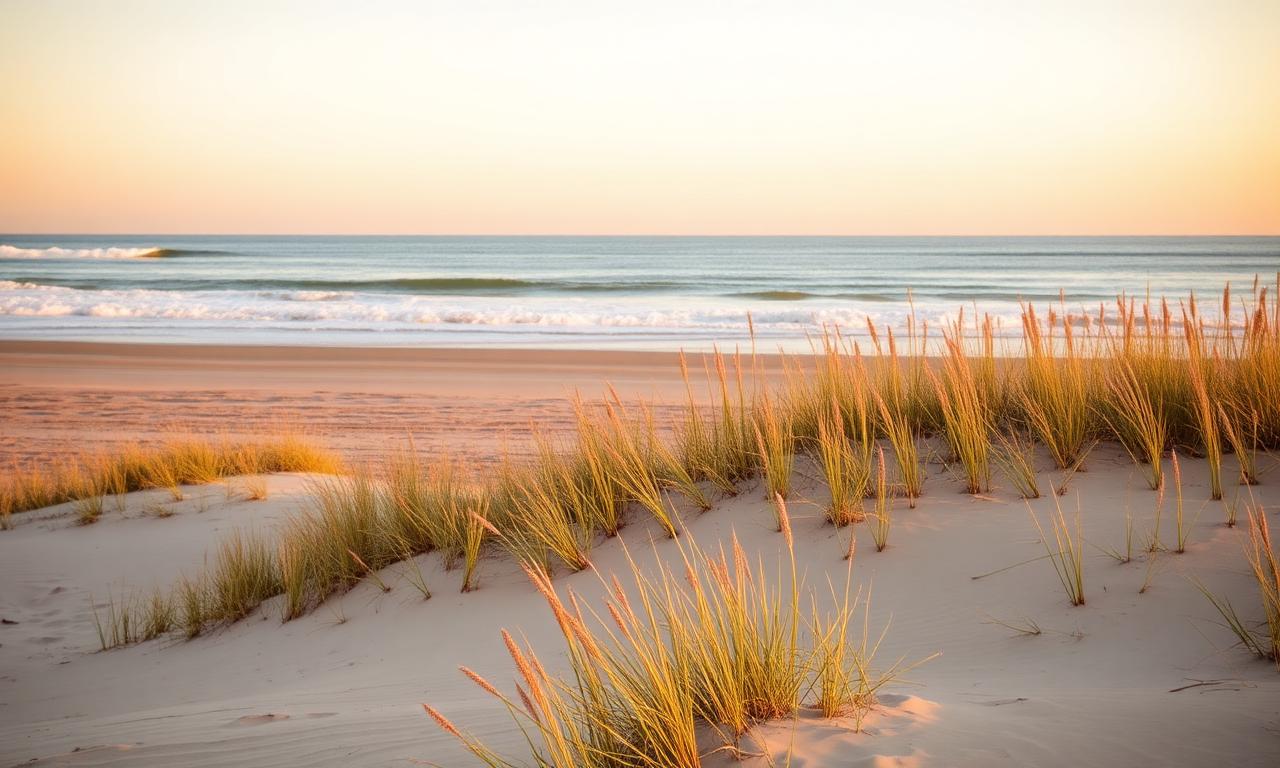
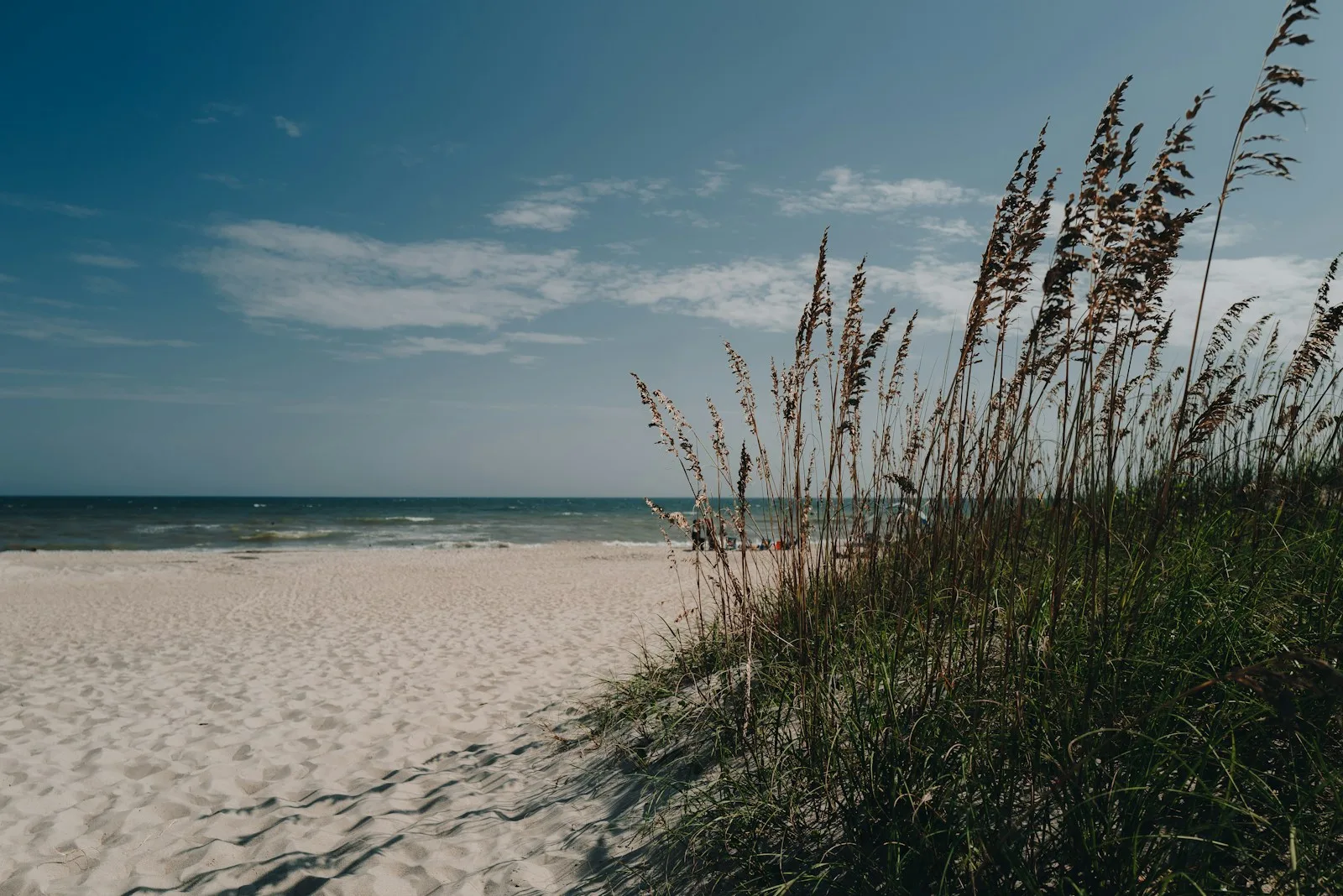
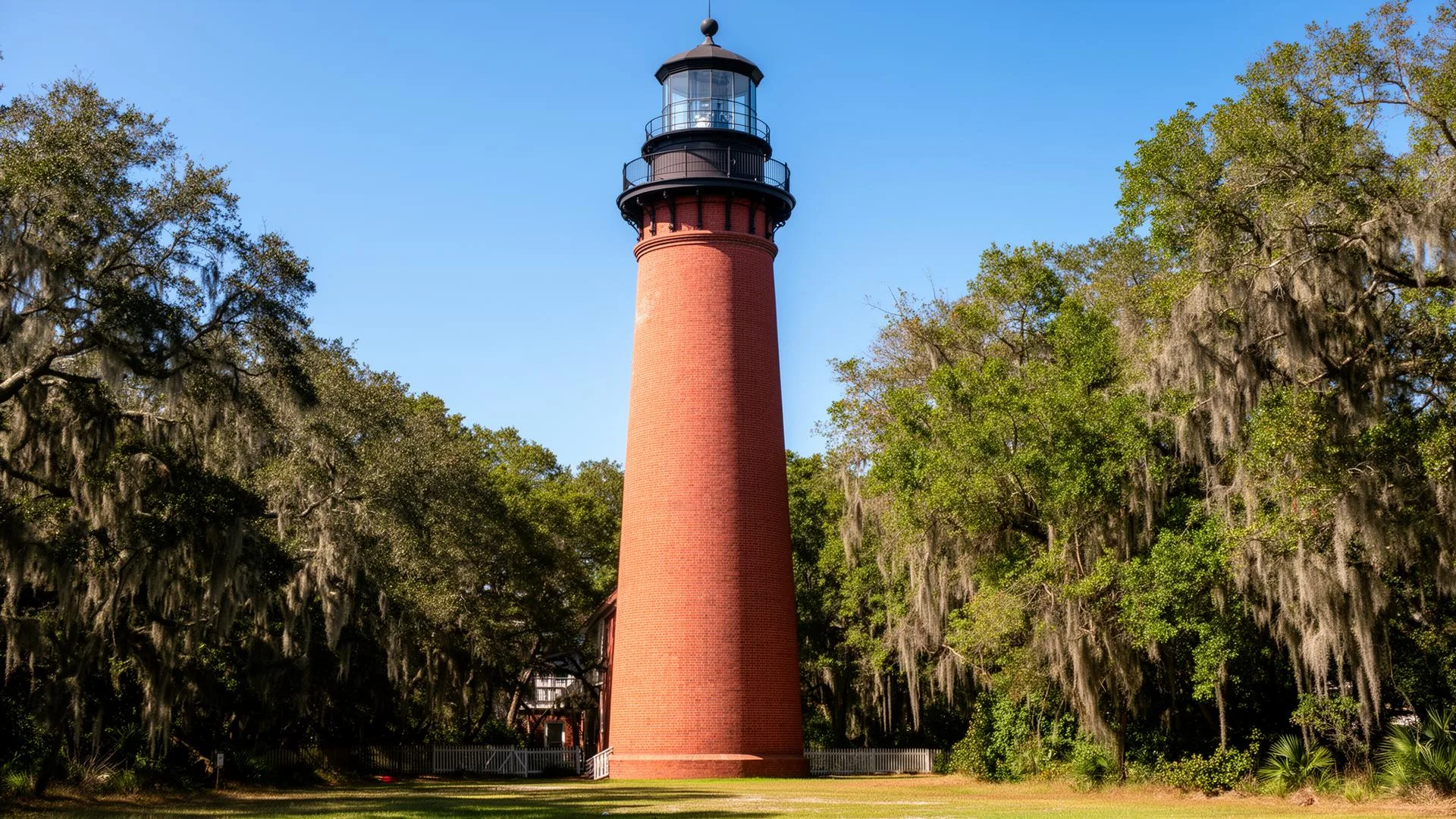
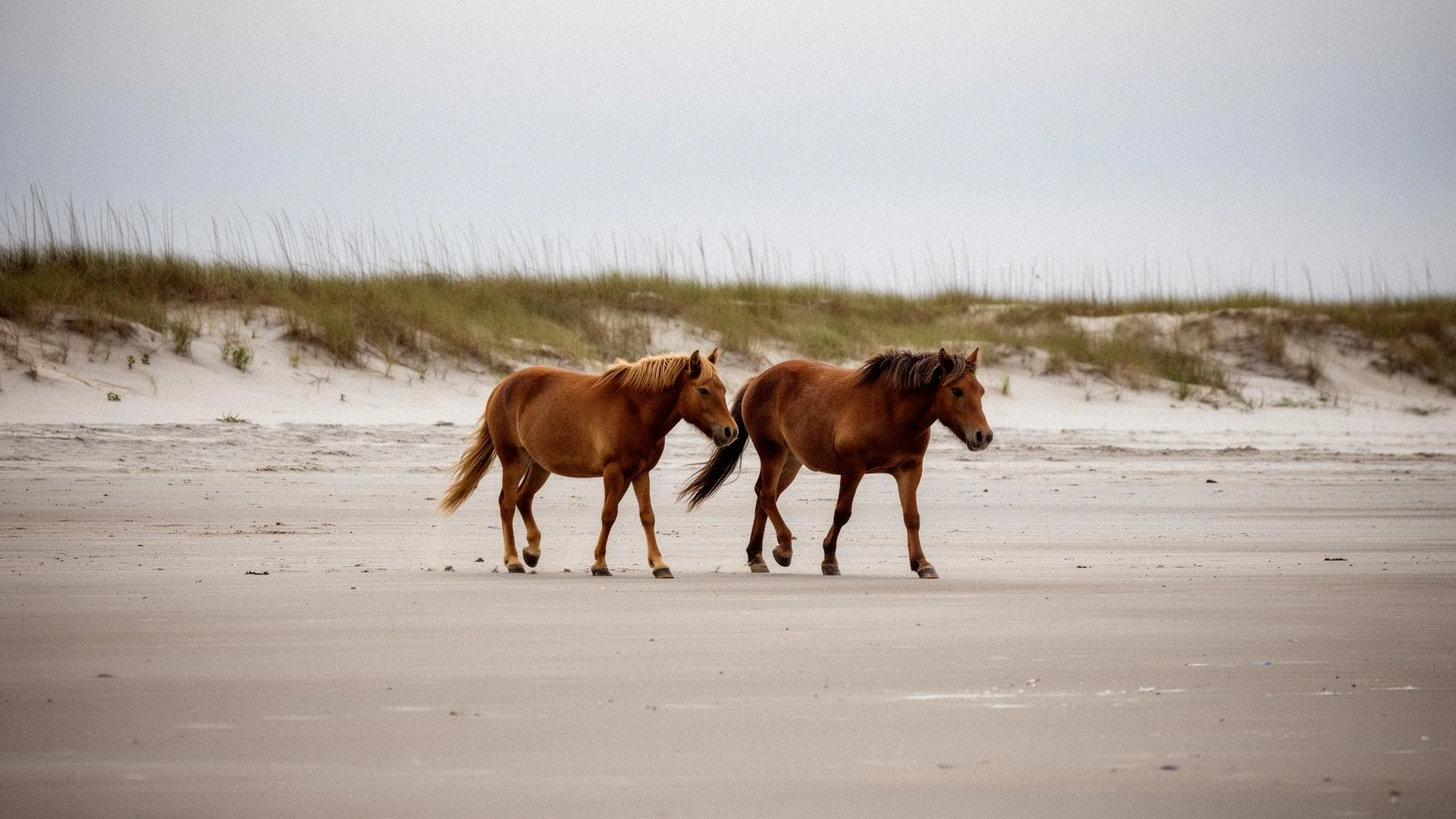
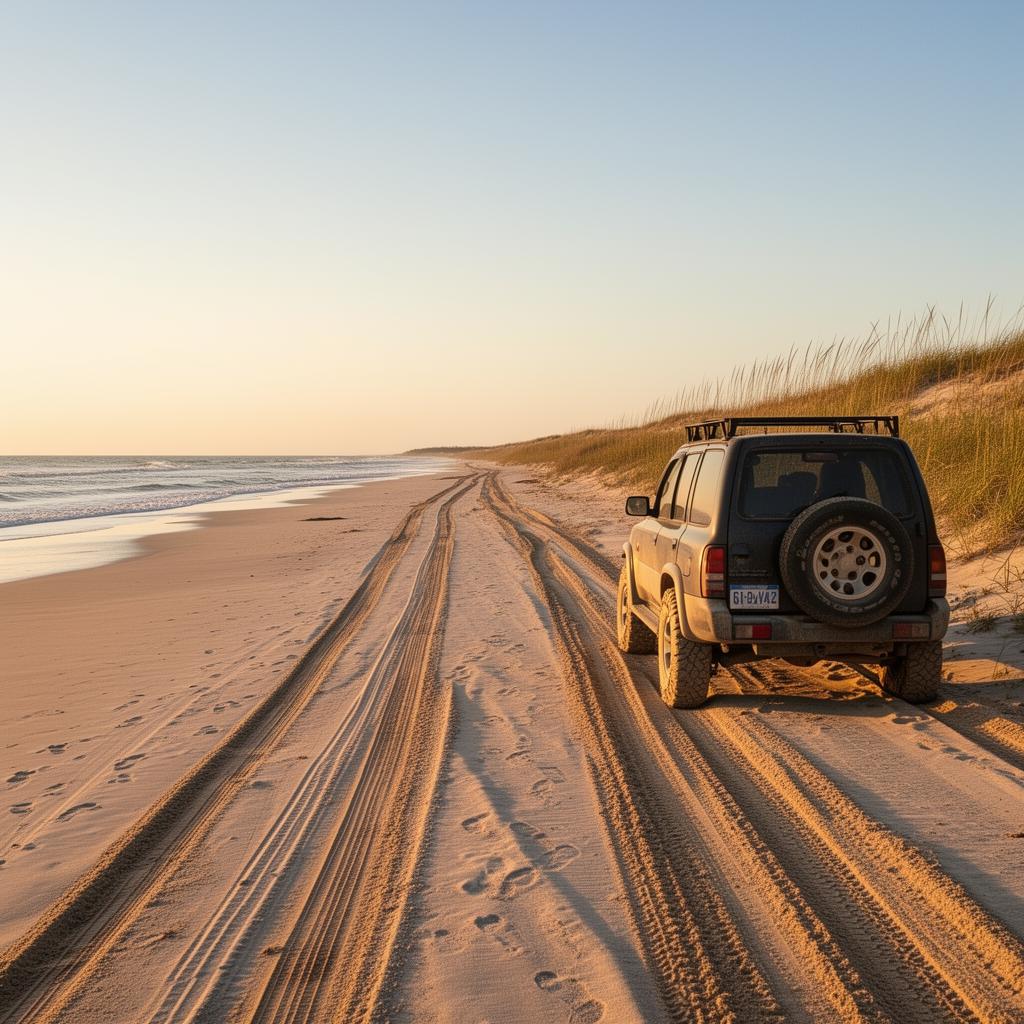
Drive north on NC-12 through Corolla and something unusual happens: the road just stops. At the end of the pavement, just past the Currituck Beach Lighthouse and the village of Corolla, the asphalt gives way to 11 miles of open Atlantic beach that doubles as the only road to the communities of Carova, Swan Beach, and North Swan Beach — and to the year-round home of the Corolla wild horses.
Driving on the beach here isn't a stunt. It's how locals commute, how groceries arrive, and how visitors reach one of the last truly wild stretches of the East Coast. But it takes the right vehicle, the right timing, and a little local knowledge.
This is the complete guide to driving on the beach in Corolla — what's legal, what's smart, and how to do it without getting stuck (or fined). If you're staying at Hygge on the Bay, the 4WD beach access ramp is just a short drive north. (Not bringing a 4WD? No problem — see our Corolla beach access and parking guide for the free paved lots and bathhouses.)
Quick Facts: Beach Driving in Corolla
Where Exactly Is the 4WD Beach?
The Currituck County 4WD beach starts at the end of NC-12 (Ocean Trail) in Corolla, just past the Currituck Beach Lighthouse. There's a clearly marked ramp where the pavement ends — you'll see the row of beach-parked trucks before you see the sign.
From the ramp, the beach runs roughly 11 miles north to the Virginia state line, passing through:
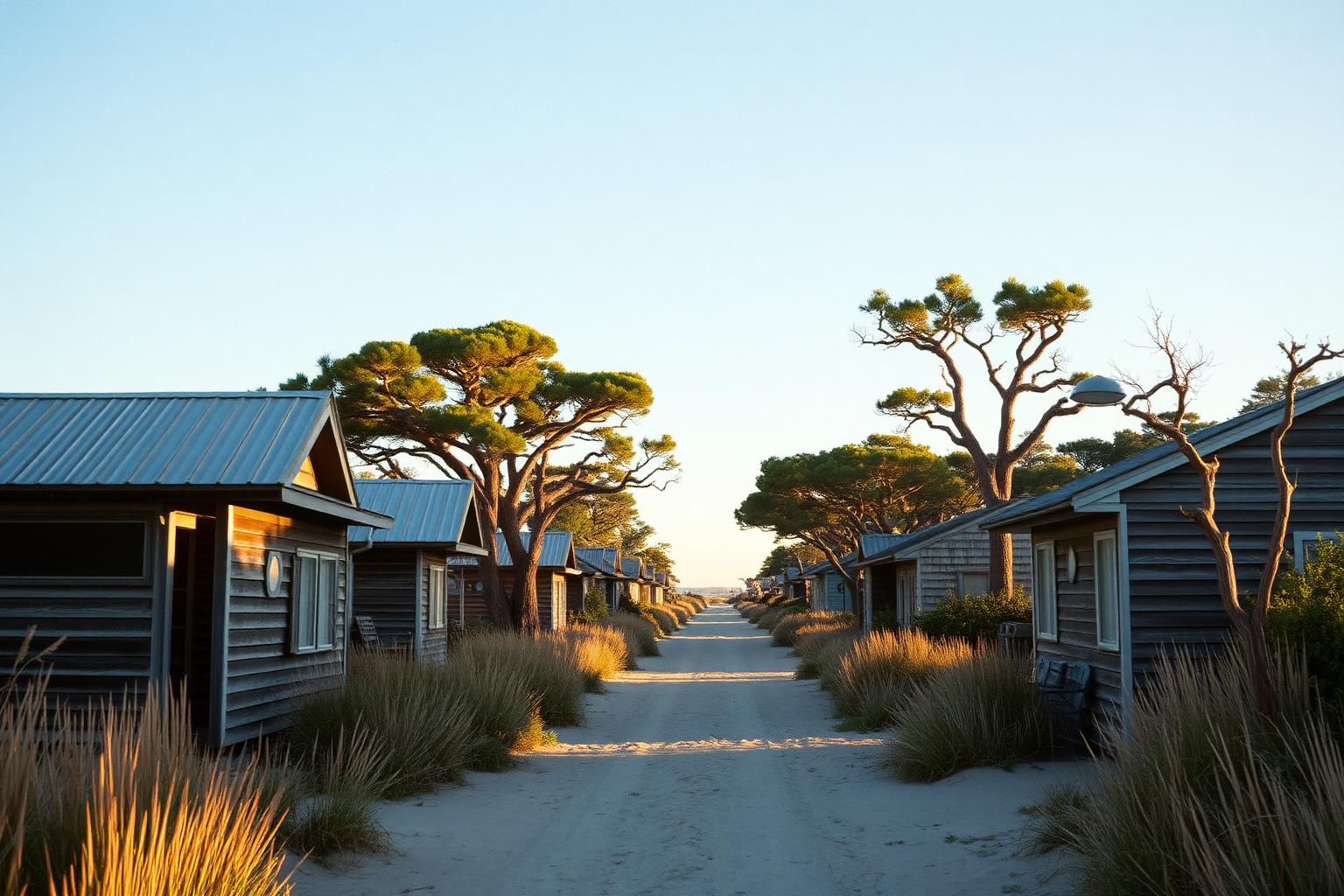
There are no paved roads, no gas stations, no restaurants, and no grocery stores north of the ramp. What there *is*: empty beach, wild horses, and the kind of solitude that's almost impossible to find on the East Coast.
Pro tip: Cell service is spotty north of the ramp. Download offline maps and tell someone your plan before heading up.
Do You Need a Permit to Drive on the Beach in Corolla?
No. Unlike the National Seashore beaches south of Nags Head (which require an ORV permit from the National Park Service), the Currituck County 4WD beach in Corolla is free and open to the public with no permit required.
You do still need:
If you cross into Virginia at the state line, you must turn around — the beach beyond is private/military property and closed to public vehicles.
What Vehicle Do You Need?
This is the question that traps the most visitors. The short answer: true four-wheel drive with low-range gearing. The soft, deep sand north of the ramp will swallow anything less.
Vehicles that work:
Vehicles that will get stuck:
If you don't have the right vehicle, you have great options:
Tire Pressure: The #1 Local Secret
The single most important thing you can do before driving on the beach is air down your tires. Standard road pressure (~32–35 PSI) digs into soft sand. Lower pressure spreads the tire's footprint and lets you float instead of sink.
Recommended beach tire pressure: 18–22 PSI
There's a free air-up station at the end of NC-12 just before the ramp — air down before you go up, air back up before you drive home. Many locals carry a portable air compressor and a tire pressure gauge as standard kit.
Tides, Timing, and Why They Matter
The beach is essentially a tidal road. At high tide, the drivable strip narrows dramatically and the soft, dry sand becomes your only option — much harder to navigate. At low tide, you've got a wide, firm runway of packed wet sand.
Best driving windows:
Check the tide chart for Corolla, NC (or "Currituck Beach") before you head out. Free apps like Tides Near Me or the NOAA tides page work well.
Never drive in the wash zone (the wet area where waves are actively reaching). Saltwater destroys vehicles, and a surprise wave can swamp your engine in seconds.
The Wild Horses: Rules You Must Know
Corolla's beach is famous because of the Colonial Spanish Mustangs that have roamed here for over 400 years. They have the right of way — always. Currituck County enforces strict rules to protect the herd:
If you want a closer look without breaking the rules, the guided wild horse tour operators use elevated open-air vehicles that get you the best photos within the legal distance.
Beach Driving Rules and Etiquette
The Currituck 4WD beach is patrolled, ticketed, and taken seriously by locals. The basics:
What to Bring (and What to Do If You Get Stuck)
Even seasoned drivers get stuck. Be prepared:
Beach driving kit:
If you get stuck:
1. Don't spin the tires — you'll only dig deeper
2. Let more air out of your tires (down to 12–15 PSI in an emergency)
3. Dig sand away from in front of/behind the tires
4. Wedge boards, towels, or floor mats under the tires for traction
5. Rock gently between drive and reverse
6. If all else fails, call a local beach tow service — there are several in Corolla, and they're fast (and expensive — $200–$500+)
Pro tip: Most locals will stop and help you. The 4WD community on Corolla beach is friendly. A tow strap and a smile go a long way.
Beach Driving with Kids
Driving the 4WD beach with kids is one of the most memorable parts of an Outer Banks trip — but a few extra precautions help:
A Sample Beach Driving Itinerary
Here's a low-stress half-day plan if it's your first time:
| Time | What |
|---|---|
| 8:30 AM | Check tide chart, air down tires at the ramp (~20 PSI) |
| 9:00 AM | Drive up the ramp, head north at 15–25 mph |
| 9:30 AM | Stop at Penny's Hill, walk to the top for views |
| 10:30 AM | Continue north, scan the dunes for wild horses |
| 11:30 AM | Park, swim, beachcomb — find a spot with no one in sight |
| 1:00 PM | Head south back to the ramp |
| 1:30 PM | Air back up to road pressure (~32 PSI), head home |
Why Stay at Hygge on the Bay for Your 4WD Trip?
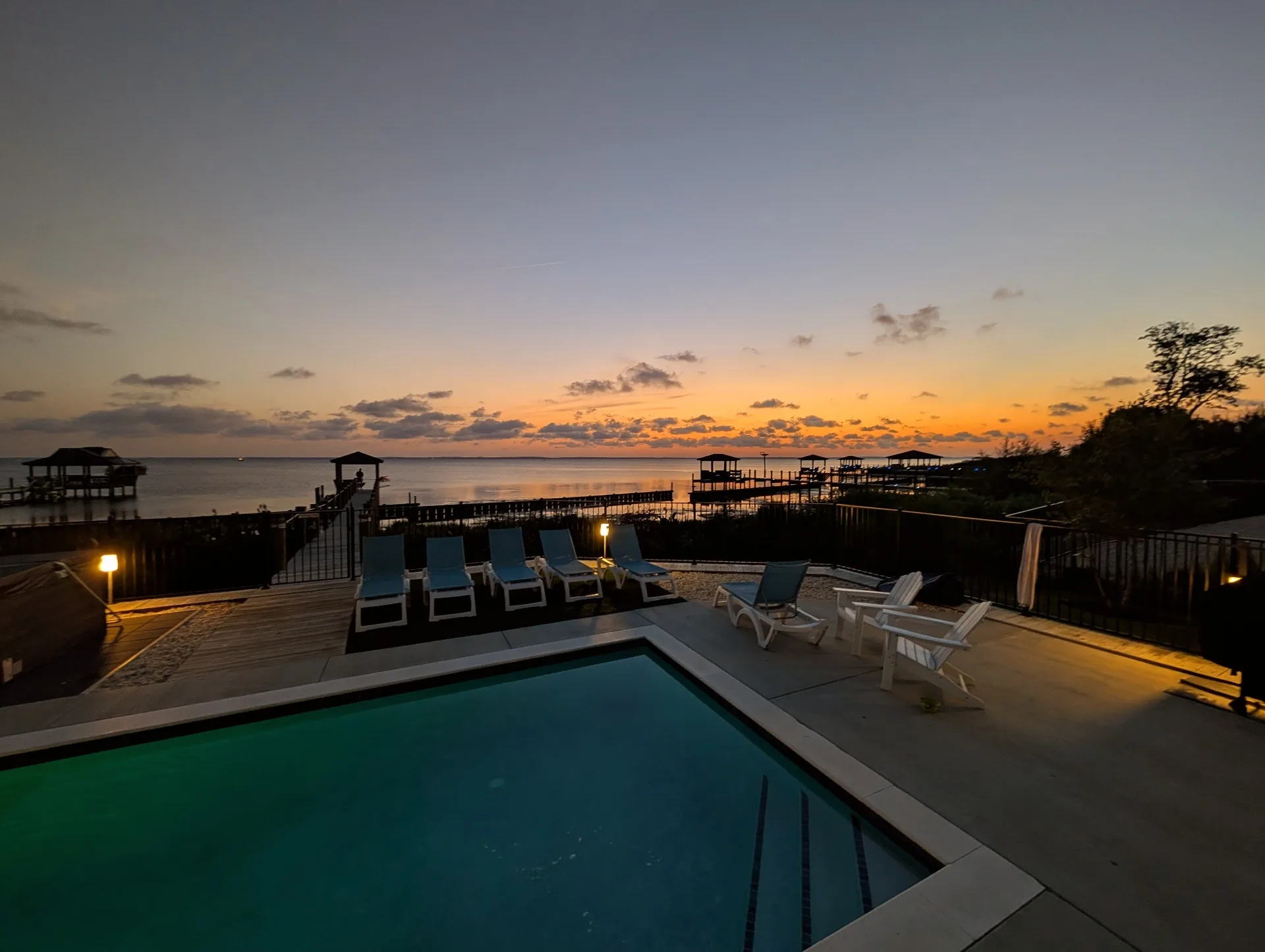
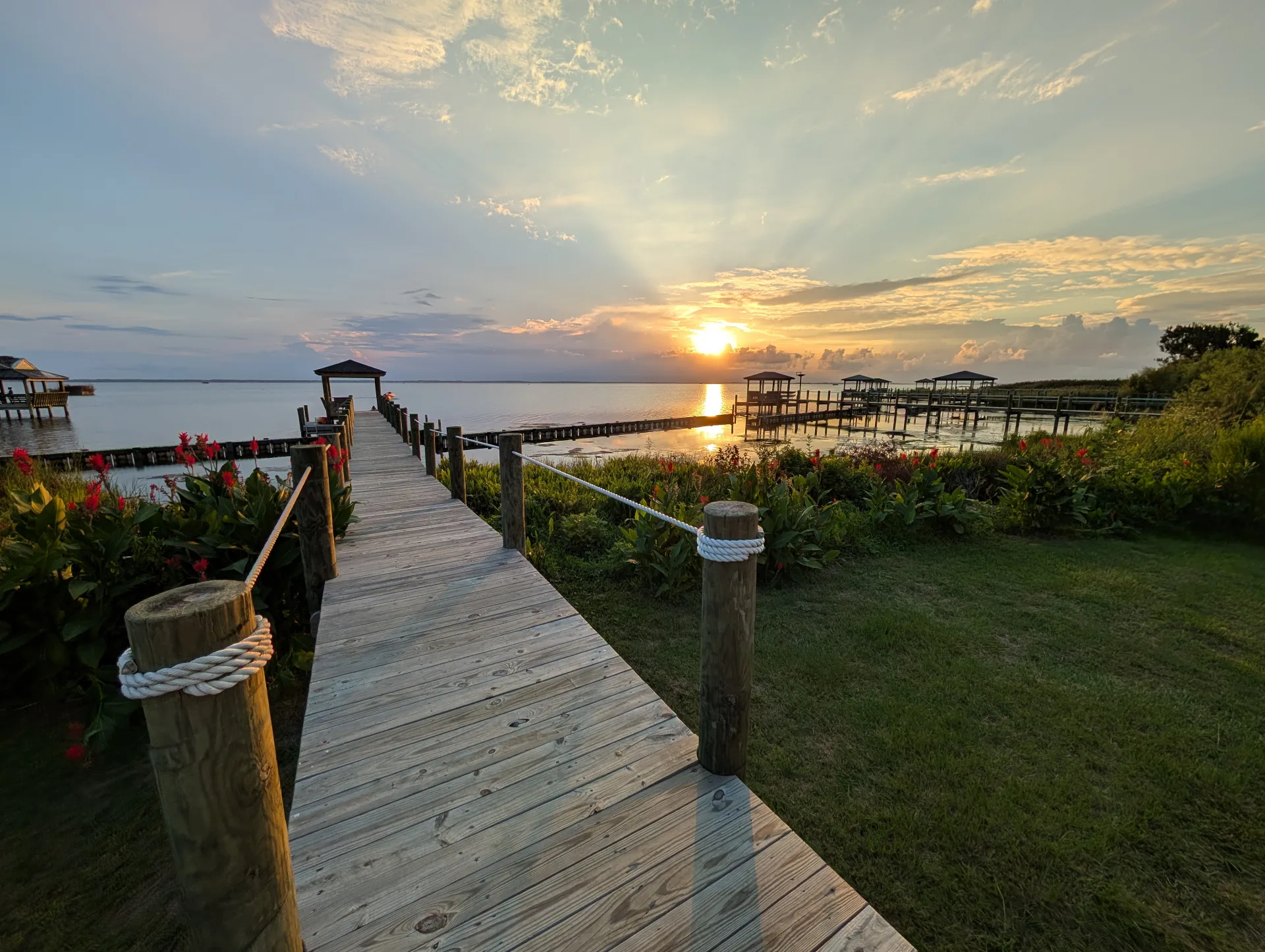
The 4WD beach access ramp is a short drive from Hygge on the Bay — close enough to make a morning beach drive part of your daily routine, but tucked away on the quiet soundside where you can come home to a heated pool, a hot tub, and sunset on the private dock.
With 7 bedrooms and room for 16 guests, there's space for the whole crew — and plenty of room in the driveway for your 4WD rig.
Check availability and book Hygge on the Bay → and start planning your Corolla beach-driving adventure.
Frequently Asked Questions
- Do you need a permit to drive on the beach in Corolla, NC?
- No. The Currituck County 4WD beach north of Corolla is free and open to the public with no permit required. You only need a valid driver's license, current vehicle registration, and insurance. This is different from the Cape Hatteras National Seashore beaches to the south, which require an ORV permit.
- What kind of vehicle do you need to drive on the beach in Corolla?
- You need true four-wheel drive with low-range gearing, such as a Jeep Wrangler, Ford Bronco, Toyota 4Runner, or full-size 4WD pickup. Front-wheel-drive cars and most car-based AWD crossovers (RAV4, CR-V, Highlander) will get stuck in the soft sand. Most rental car agreements prohibit beach driving.
- What tire pressure should I use for driving on the beach in Corolla?
- Air your tires down to 18–22 PSI before driving on the Corolla 4WD beach. Standard road pressure (32–35 PSI) will dig into the soft sand and get you stuck. There is a free air-up station at the end of NC-12 near the beach access ramp where you can re-inflate before driving home.
- When is the best time to drive on the Corolla 4WD beach?
- Drive within 2 hours before or after low tide. Low tide exposes a wide strip of firm, packed wet sand that is much easier to drive on. At high tide, the drivable area narrows and you are forced into deep, soft, dry sand. Always check a Corolla, NC or Currituck Beach tide chart before heading out.
- What are the rules for being around the wild horses while driving the Corolla beach?
- Stay at least 50 feet (about a school bus length) away from the wild horses at all times. Do not feed, touch, or pet them — fines start at $500 and can reach $2,500. Slow to a crawl when horses are visible and always yield the right of way. Apples and other human food can be fatal to the horses.
- What is the speed limit on the Corolla 4WD beach?
- The speed limit is 15 mph near pedestrians, vehicles, or wild horses, and 35 mph maximum on open stretches. Limits are strictly enforced by Currituck County deputies and National Park Service rangers, especially during peak summer weekends.
- How far north can you drive on the beach from Corolla?
- You can drive roughly 11 miles north from the end of NC-12 in Corolla to the Virginia state line, passing through Swan Beach, North Swan Beach, and Carova Beach. You cannot cross into Virginia — the beach beyond the state line is private and military property closed to public vehicles.