The History of Corolla: From Remote Fishing Village to Outer Banks Gem
A Place Where History Meets the Shore
Most visitors come to Corolla for the beaches, the wild horses, and the sunsets. But beneath the vacation-town charm lies a story that stretches back centuries — one of shipwrecks and lifesaving stations, remote communities cut off from the mainland, and a landscape shaped as much by human ambition as by wind and water.
Understanding Corolla's history makes every visit richer. The lighthouse you climb, the horses you photograph, the very land your rental sits on — all of it carries the weight of a remarkable past.
🏝️ The Early Days: Native Peoples and Colonial Explorers
Long before European contact, the Outer Banks were home to Algonquian-speaking peoples who fished the sounds and hunted the maritime forests. The barrier islands provided seasonal camps and abundant resources.
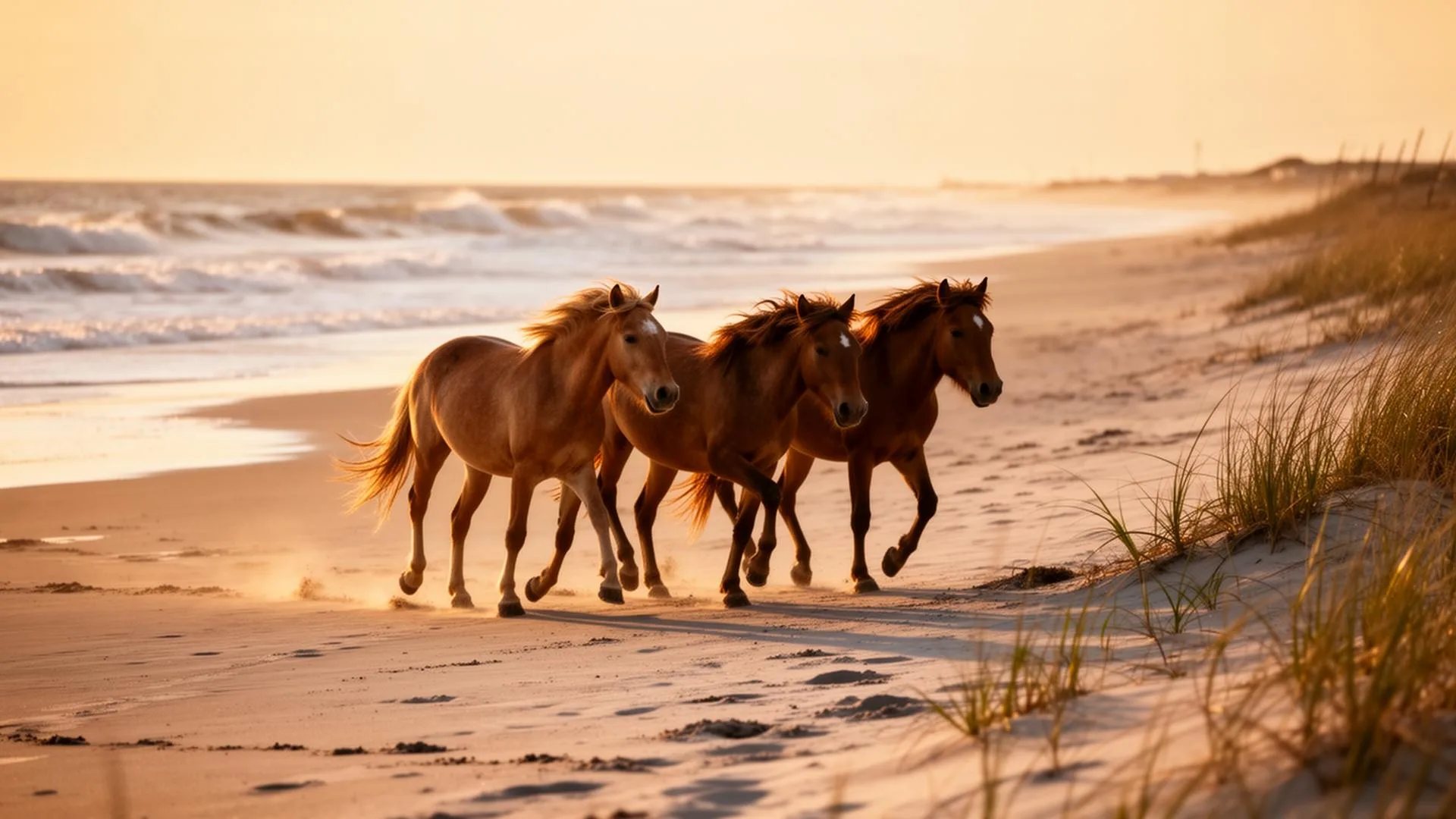
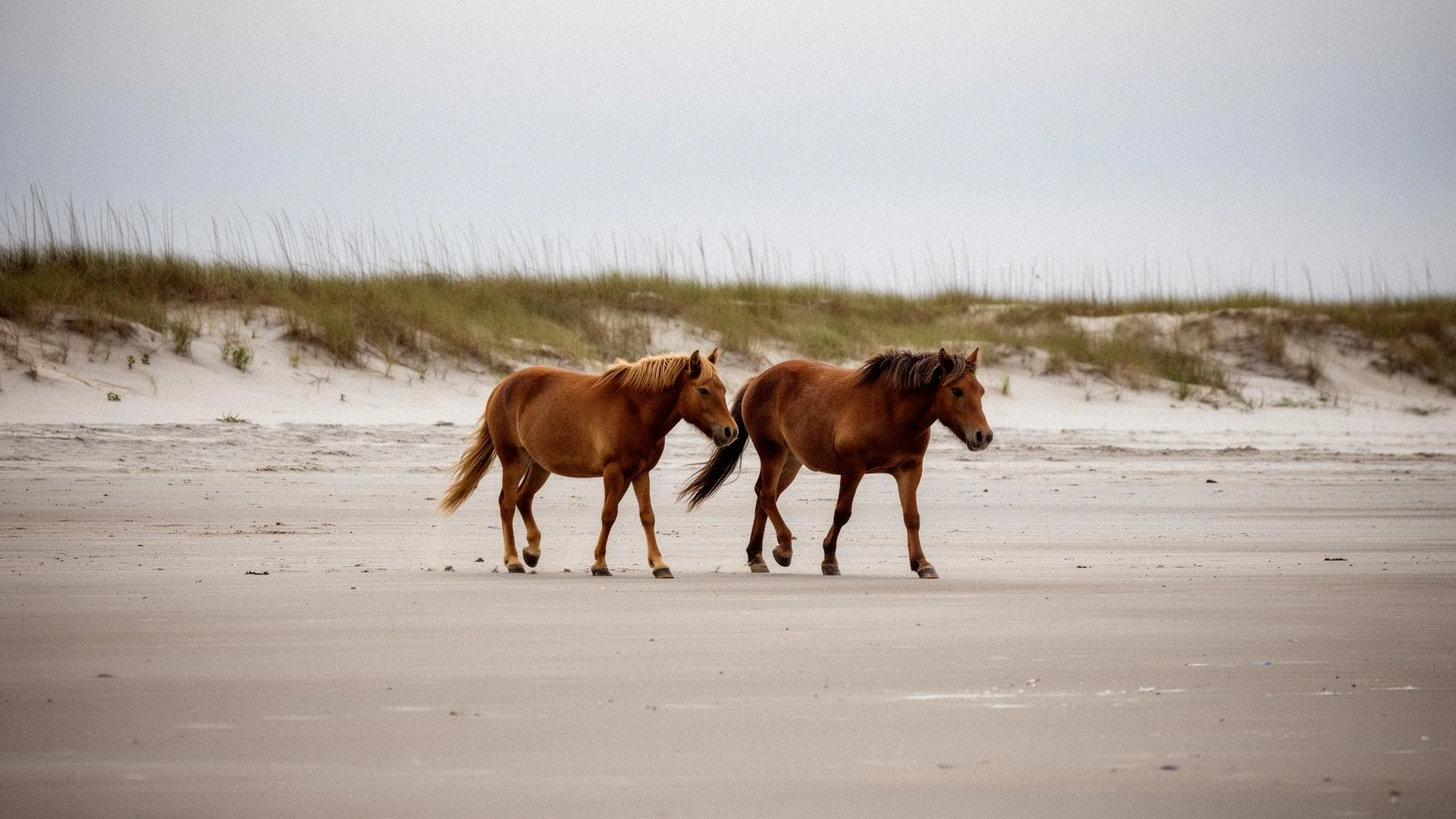
In the early 1500s, Spanish explorers sailing along the Atlantic coast are believed to have brought horses to the region. Some of these horses — Colonial Spanish Mustangs — escaped or were left behind during failed settlements. Their descendants still roam the northern beaches of Corolla today, making them one of the oldest herds of wild horses in North America.
English colonists arrived in the late 1500s, establishing the ill-fated Roanoke Colony just south of what is now Corolla. While that settlement famously vanished, the Outer Banks continued to draw fishermen, hunters, and eventually permanent settlers.
🏘️ A Remote Village Takes Shape (1700s–1800s)
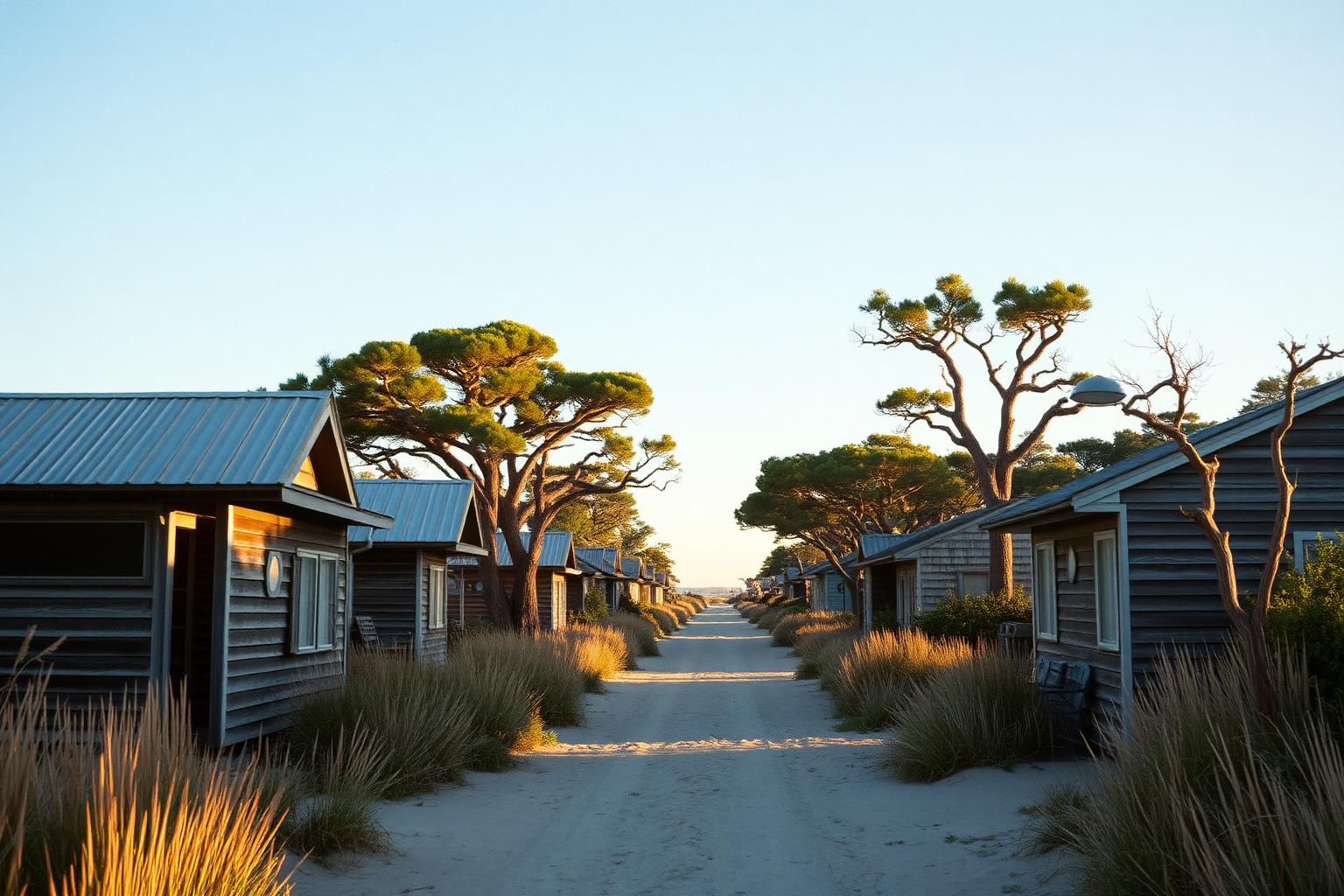
By the 1700s, a small community had formed in what we now call Corolla. Life was isolated and self-sufficient. Residents lived off the land and sea — fishing, hunting waterfowl, raising livestock, and salvaging goods from the frequent shipwrecks along the treacherous coastline.
The Outer Banks earned the nickname "Graveyard of the Atlantic" for good reason. The shallow shoals, strong currents, and unpredictable storms made the waters off Corolla some of the most dangerous on the Eastern Seaboard. Hundreds of ships met their end here, and local residents often served as the first responders, pulling survivors from the surf.
The U.S. Life-Saving Service
In 1874, the federal government established a network of Life-Saving Stations along the Outer Banks to rescue shipwreck victims. Corolla had its own station, staffed by brave surfmen who patrolled the beach on foot, watching for distressed vessels. These men are considered the predecessors of the modern U.S. Coast Guard.
The surfmen of Corolla risked their lives in some of the worst conditions imaginable — freezing surf, hurricane-force winds, and pitch-black nights — to save strangers from the sea.
🏗️ The Currituck Beach Lighthouse (1875)
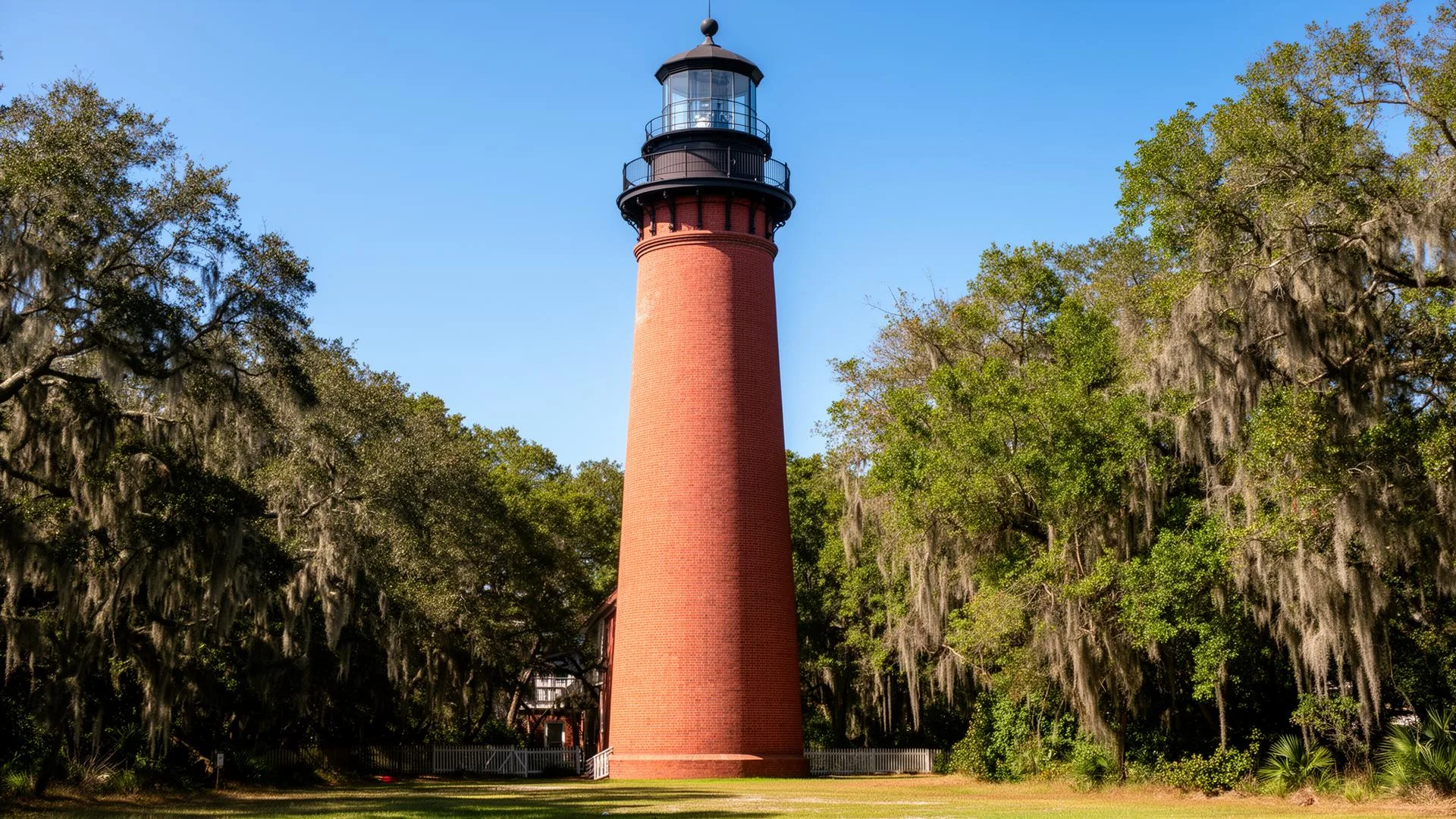
The most iconic landmark in Corolla is the Currituck Beach Lighthouse, first lit on December 1, 1875. Standing 162 feet tall, it was built to fill the last remaining "dark space" along the Outer Banks coastline between the Bodie Island Lighthouse to the south and the Cape Henry Lighthouse in Virginia to the north.
Key facts about the lighthouse:
Today, visitors can climb the 220 steps to the top for sweeping panoramic views of Currituck Sound, the Atlantic Ocean, and the village below. It remains one of the most photographed landmarks on the entire Outer Banks.
🏛️ The Whalehead Club (1925)
In the 1920s, a wealthy Philadelphia couple — Edward Collings Knight Jr. and his wife Marie Louise — fell in love with the Currituck Sound's legendary waterfowl hunting. They built an extravagant 21,000-square-foot Art Nouveau mansion on the sound, originally called "Corolla Island."
The home, now known as the Whalehead Club, featured:
After the Knights' deaths, the property changed hands multiple times, serving as a boys' school, a rocket fuel testing site (yes, really), and eventually falling into disrepair. Currituck County purchased the property in 1992 and spent over a decade restoring it to its original grandeur.
Today, the Whalehead Club is a museum and event venue, offering guided tours, wine tastings, and seasonal programs. It's a must-visit for anyone interested in Outer Banks history.
🐴 The Wild Horses: A Living Link to the Past
Corolla's wild horse herd is more than a tourist attraction — they're a living piece of history. DNA testing has confirmed that the horses are descended from Colonial Spanish Mustangs, likely brought to the barrier islands in the 1500s.
For centuries, the horses roamed freely across the northern Outer Banks. But as development increased in the 1980s and 1990s, the herd faced new dangers: traffic, habitat loss, and human interference.
In 1989, the Corolla Wild Horse Fund was established to protect and manage the herd. Today, approximately 100 horses roam the beaches and maritime forests north of the paved road in Corolla. They are protected by North Carolina state law, and it is illegal to approach or feed them.
These horses have survived hurricanes, nor'easters, and five centuries of change. They are arguably the most resilient residents of the Outer Banks.
🚗 The Road to Corolla (1984)
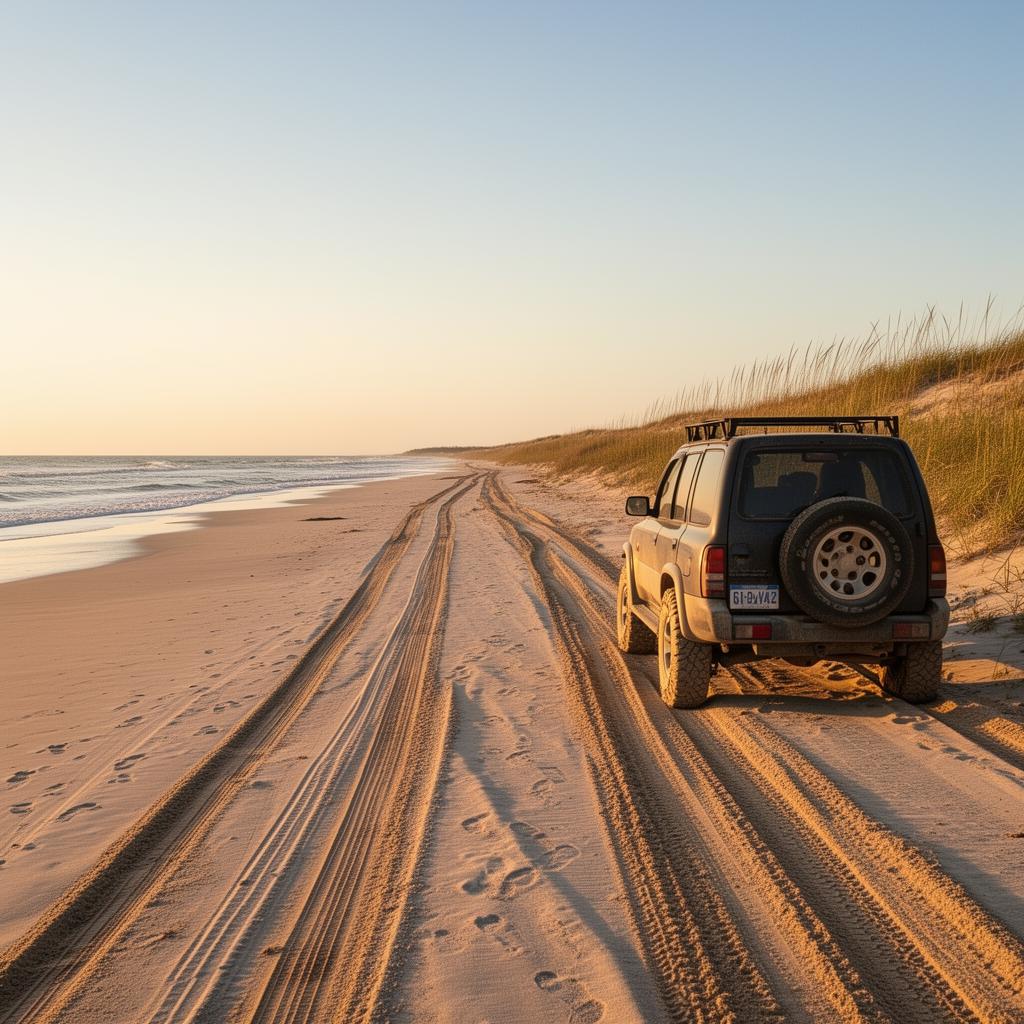
Here's a fact that surprises most visitors: there was no paved road to Corolla until 1984. Before NC Highway 12 was extended north, the only way to reach Corolla was by boat or by driving along the beach at low tide.
This isolation kept Corolla remarkably undeveloped well into the 20th century. The village had no electricity until the 1950s, no telephone service until the 1960s, and remained a small, tight-knit fishing community while the southern Outer Banks boomed with tourism.
The paved road changed everything. Within a decade, Corolla transformed from a forgotten outpost into a sought-after vacation destination. Large rental homes began appearing, shops and restaurants opened, and visitors discovered what locals had always known: Corolla was something special.
🏠 Corolla Today: Honoring the Past, Embracing the Future
Modern Corolla is a careful balance of development and preservation. The village still feels quieter and more intimate than the bustling southern OBX towns. Historic sites like the lighthouse, the Whalehead Club, and the Outer Banks Center for Wildlife Education keep the past alive for every generation of visitors.
The community takes its heritage seriously:
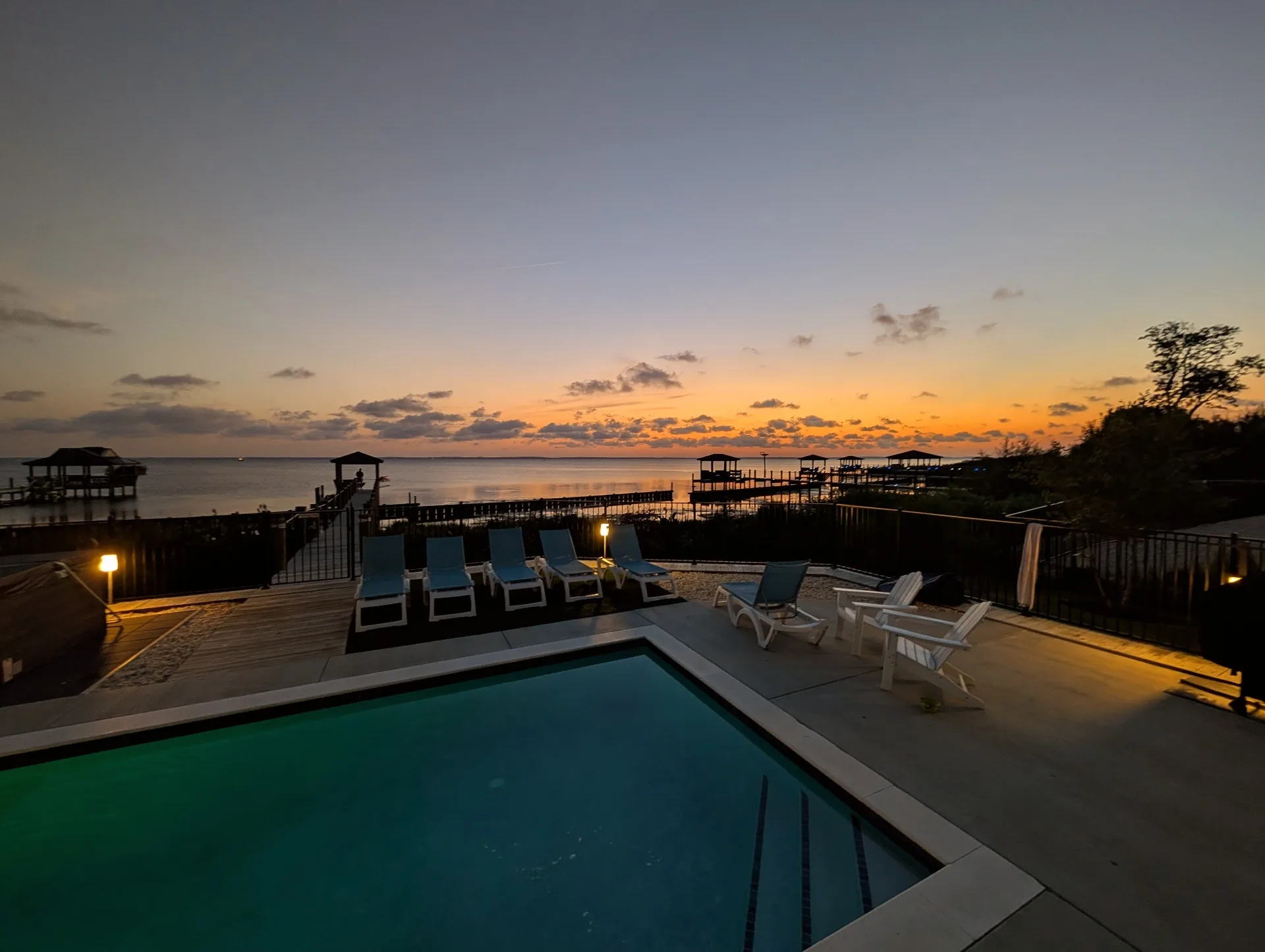
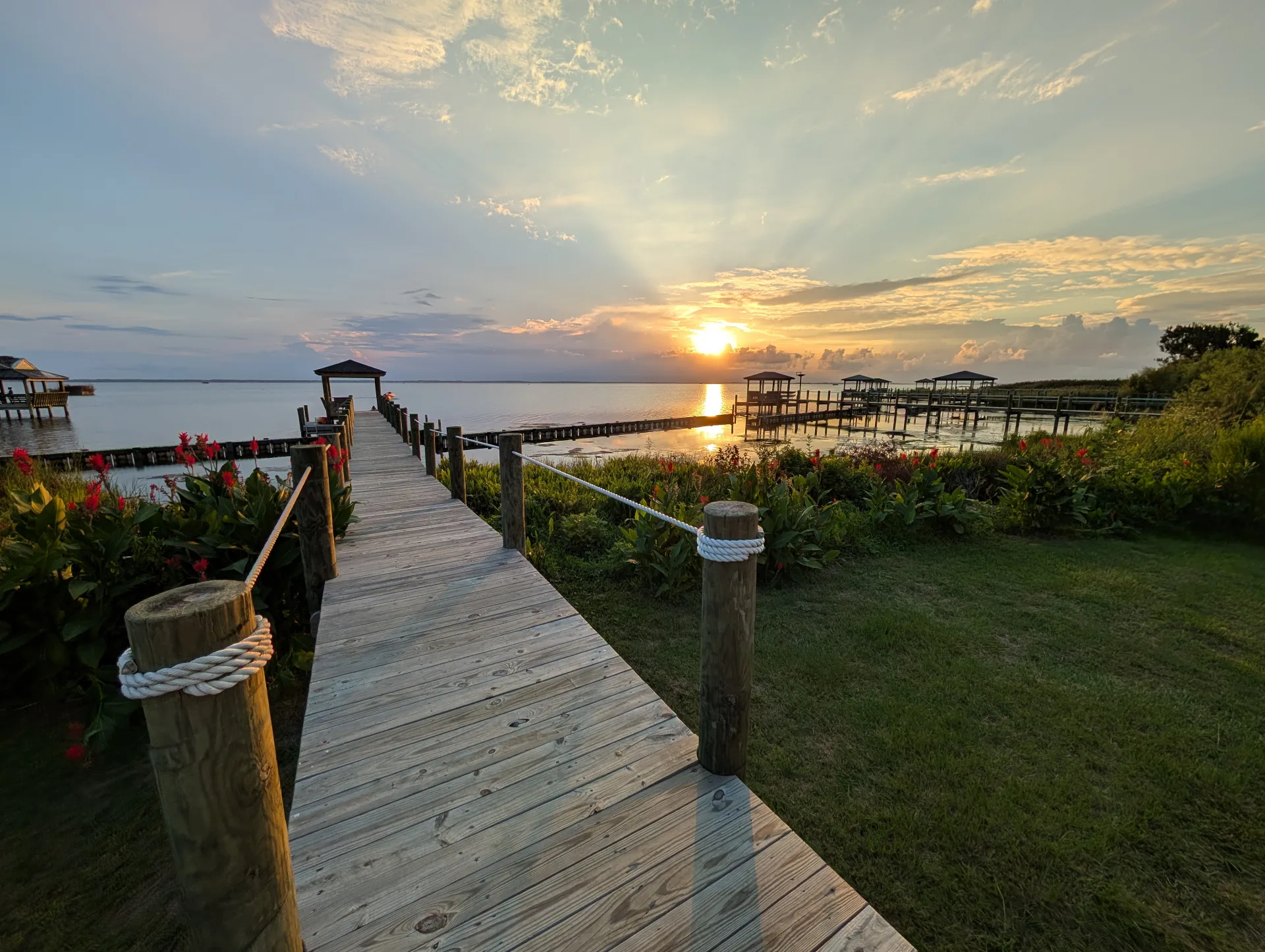
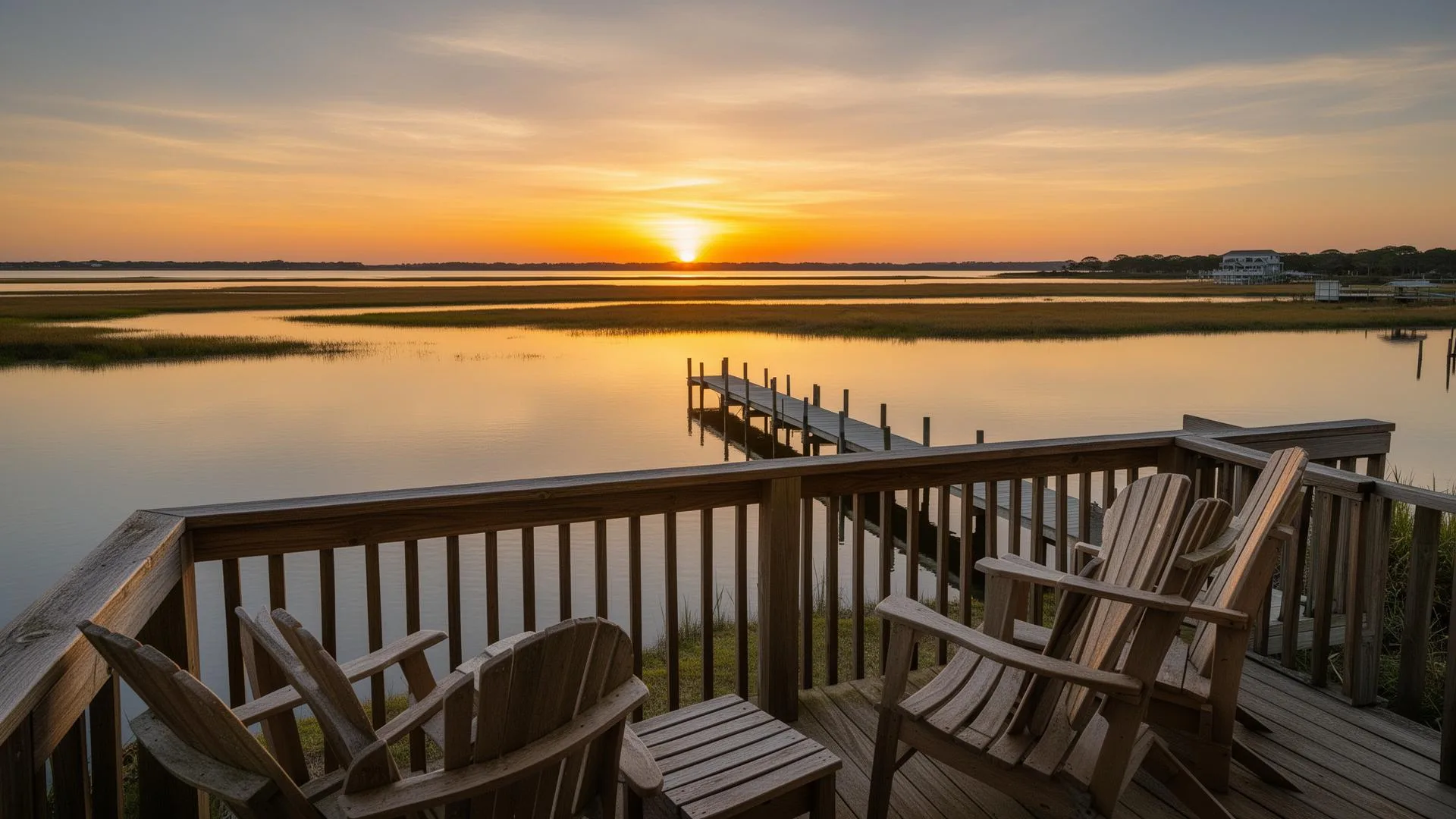
When you stay at Hygge on the Bay, you're not just booking a vacation rental — you're stepping into a place with nearly 500 years of history. The sound waters lapping at the dock are the same waters that sustained generations of fishermen. The sunsets that paint the sky each evening are the same ones that lighthouse keepers watched a century and a half ago.
📚 Further Reading & Local Resources
Want to dive deeper into Corolla's history? Check out these resources:
Experience the History for Yourself
Corolla isn't just a beach town — it's a place where every dune, every dock, and every stretch of shoreline tells a story. Whether you're climbing the lighthouse steps, watching wild horses graze at sunset, or simply sitting on the deck at Hygge on the Bay listening to the sound, you're part of a narrative that's been unfolding for centuries.
Book your stay at Hygge on the Bay → and discover the history of the Outer Banks firsthand.
Frequently Asked Questions
- What is the history of Corolla, North Carolina?
- Corolla has a rich history stretching from Algonquian-speaking Native peoples through Spanish explorers who brought the ancestors of today's wild horses in the 1500s, the construction of the Currituck Beach Lighthouse in 1875, the building of the Whalehead Club in the 1920s, decades of isolation as a remote fishing village, and its modern transformation into a premier Outer Banks vacation destination after Route 12 was paved.
- How old are the wild horses in Corolla?
- The Corolla wild horses are Colonial Spanish Mustangs descended from horses brought to the Outer Banks by Spanish explorers in the early 1500s. This makes them one of the oldest wild horse herds in North America, with a lineage spanning over 500 years.
- When was the Currituck Beach Lighthouse built?
- The Currituck Beach Lighthouse was built in 1875. It is a 162-foot red brick lighthouse located in Corolla, NC. Visitors can climb to the top for panoramic views of Currituck Sound and the Atlantic Ocean. It remains one of the few unpainted brick lighthouses on the Outer Banks.
- What is the Whalehead Club in Corolla?
- The Whalehead Club is a restored 1920s Art Nouveau mansion located in Corolla Heritage Park. Originally built as a private hunting lodge, it is now a museum and historic landmark open for tours. It sits on the shores of Currituck Sound and is one of the most photographed landmarks on the Outer Banks.
- When did Corolla NC become a vacation destination?
- Corolla was a remote, isolated community accessible only by boat or beach driving for most of its history. It began transforming into a vacation destination after Route 12 was paved and extended to Corolla in the 1980s, opening the area to development and tourism.